· 7 min read
In the bed of the Inman River sits one of the most important rocks in Australia: a glacial pavement scraped smooth by an ice sheet 280 million years ago, and the first recorded evidence of ancient glaciation on the continent.
A rock worth stopping for
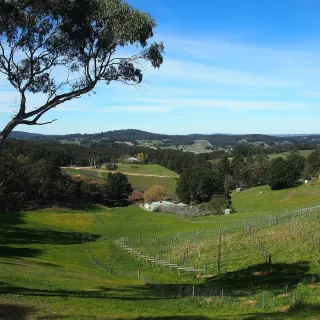
Inman Valley is the kind of place most people drive through. The road from Victor Harbor to Yankalilla runs along the valley floor, the dairy paddocks roll up to stringybark ridges on either side, and there is precisely one general store, one pub and one very old rock.
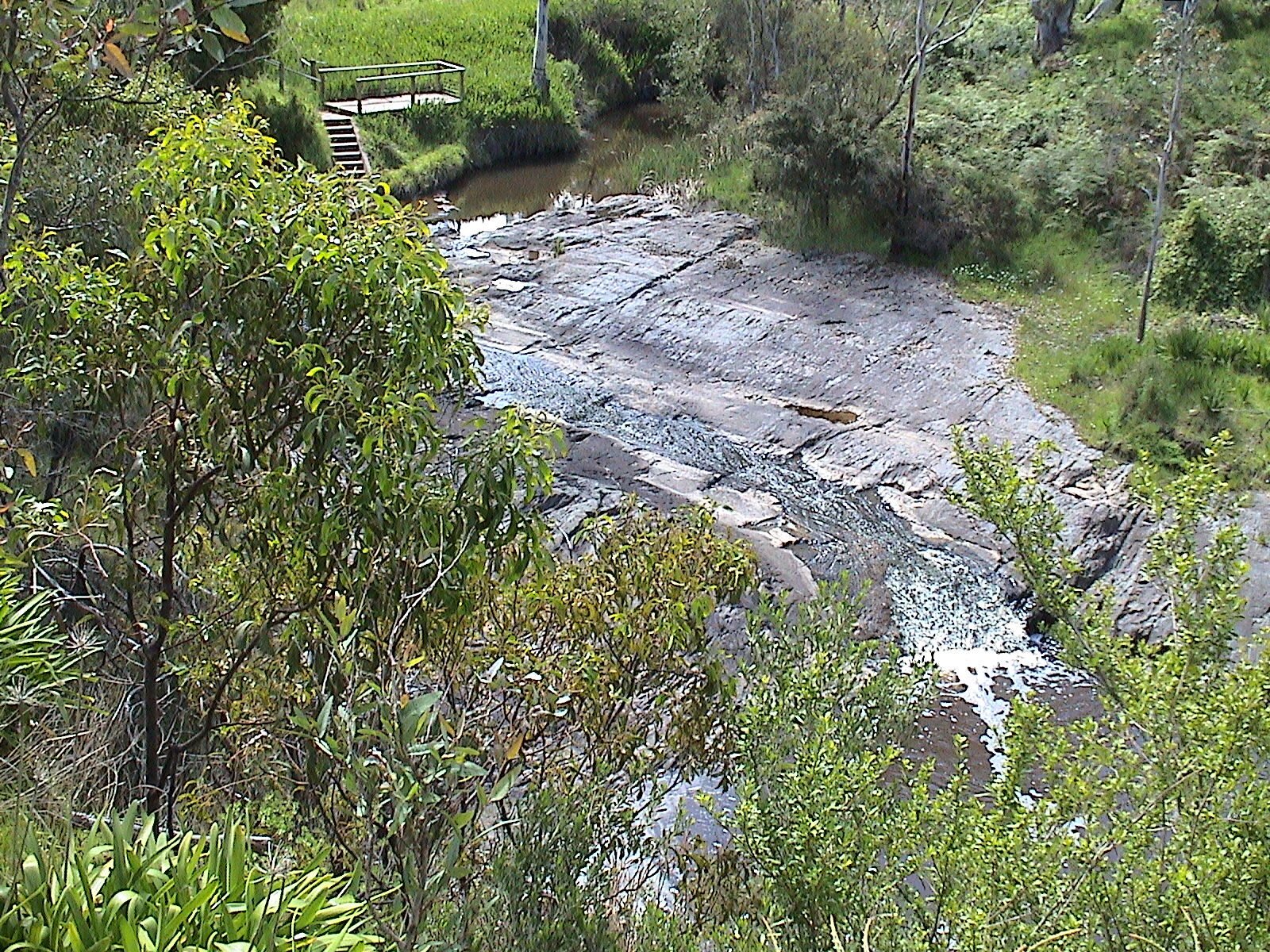
It is the rock you should stop for. In the bed of the Inman River, beside the bridge on Inman Valley Road, sits Glacier Rock - known to geologists as Selwyn Rock, and to science as the first recorded evidence that Australia was ever covered by ice.
What you are looking at
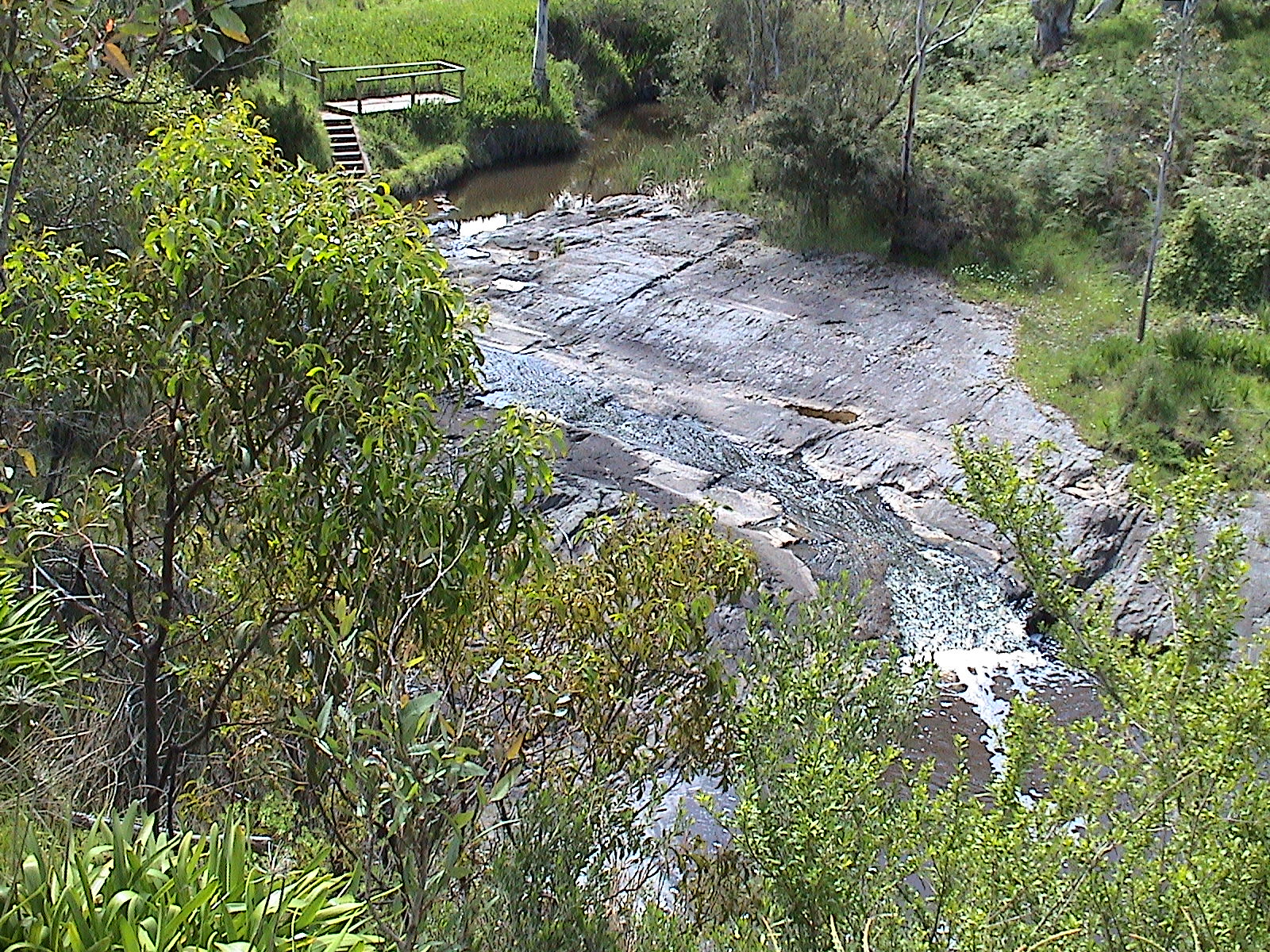
The surface of the rock is smooth, polished and scored with long parallel grooves, as if something impossibly heavy had been dragged across it. Something was. Around 280 million years ago, during the Permian period, an ice sheet ground its way across this part of Gondwana, carrying rocks frozen into its base that gouged and polished the bedrock beneath. The bedrock itself - a hard Cambrian metasandstone of the Kanmantoo Group - is older still, on the order of 510 million years.
Read the grooves and you can read the direction of the ice: it moved from the southeast toward the northwest. The thing doing the grinding was not a mountain glacier but the edge of a continental ice sheet, at a time when this corner of the planet sat far closer to the South Pole. Stand on the pavement - you are allowed to - and you are standing on the underside of an ice age.
The geologist on horseback
The rock's scientific story starts in 1859, when Alfred Selwyn, a government geologist, passed through the valley and recognised the polished pavement in the riverbed for what it was. It was the first time evidence of ancient glaciation had been recorded anywhere in Australia - a startling claim at the time, made about a sunny dairy valley on the Fleurieu, and it put Inman Valley into geology textbooks where it has remained ever since. Geologists still call the pavement Selwyn Rock in his honour, and international field trips still visit.
The viewing is easy. There is a parking area and a lookout platform beside the Inman Valley Road bridge, interpretive signs that do a good job with a big subject, and steps down toward the river bed. After heavy winter rain the Inman runs over the pavement and the grooves disappear; in the drier months the rock is fully exposed, which is when you want to visit.
Making a morning of it
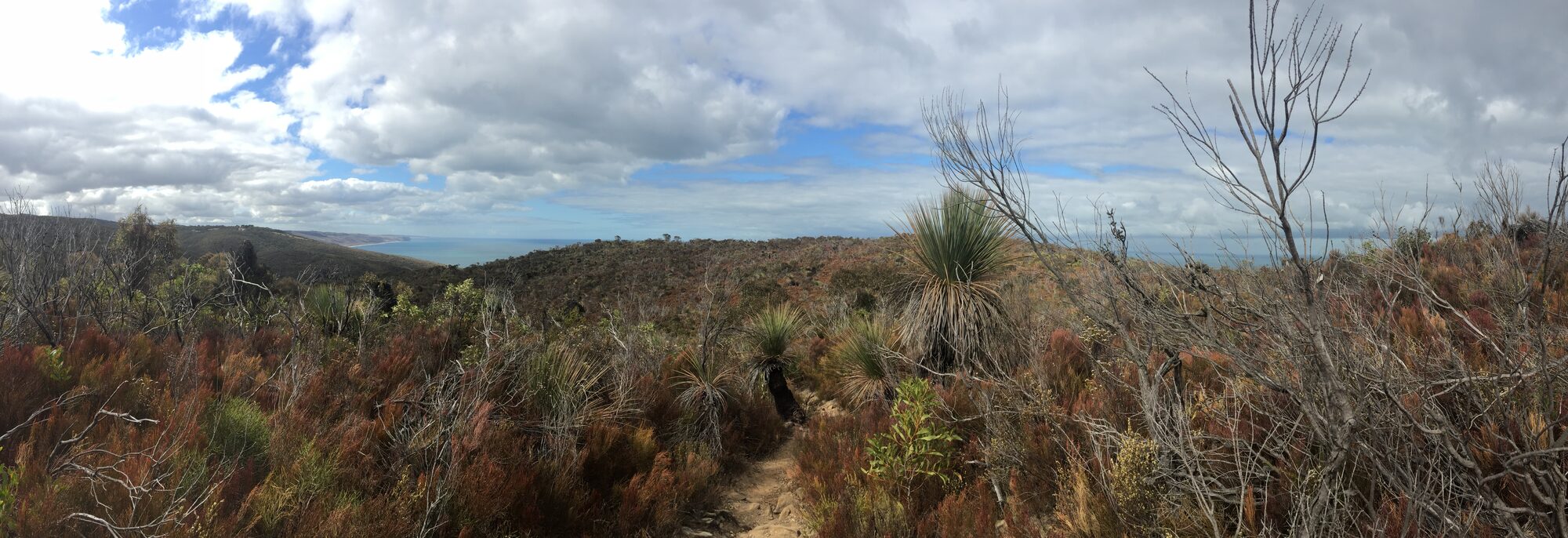
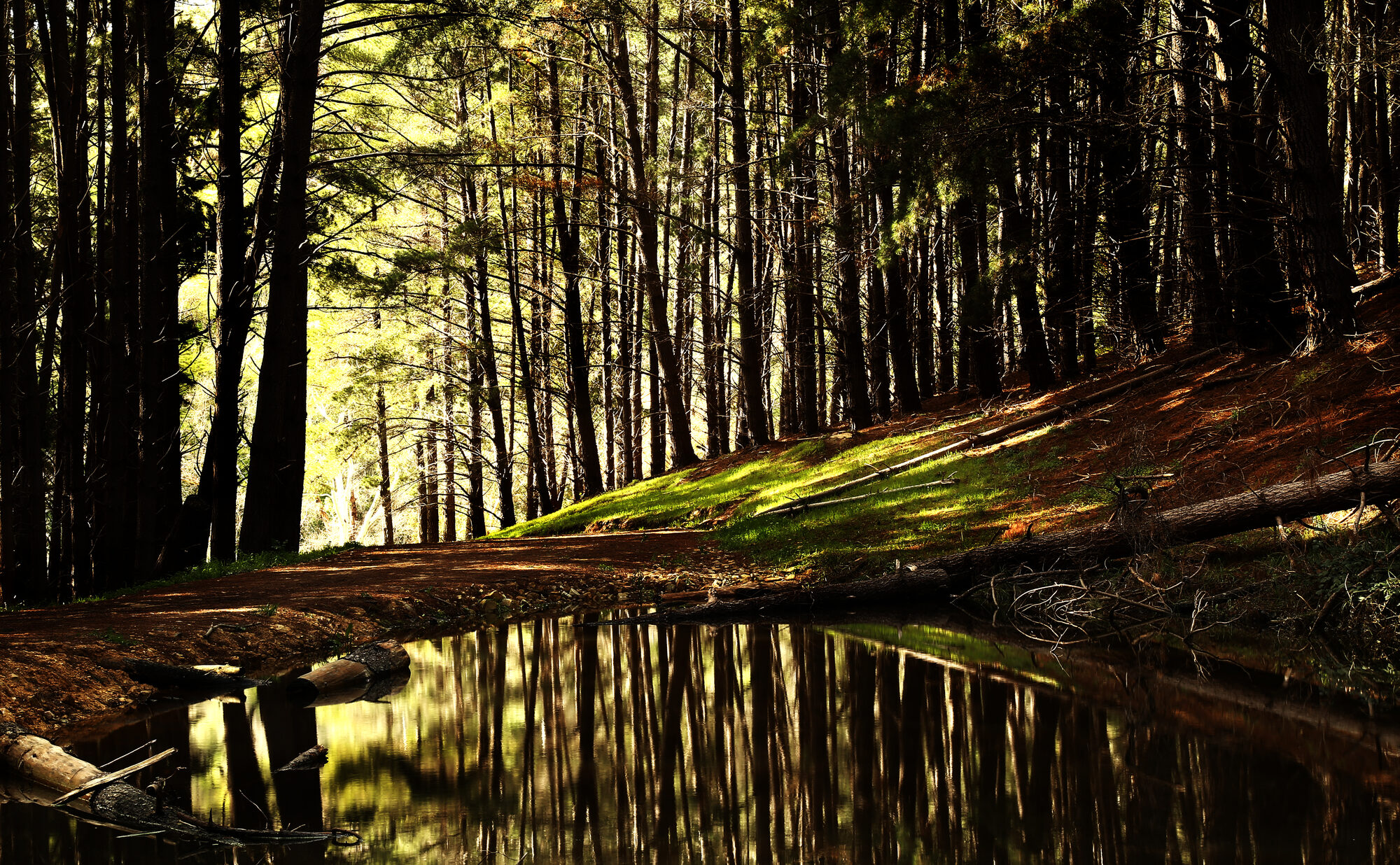
The rock takes twenty minutes. The valley deserves longer. Pear Tree Hollow, a private nature retreat in the valley, is the local base for slow walks and birdwatching. And on the ridge above the valley, Mount Billy Conservation Park protects some of the last remaining Fleurieu swamps and a network of quiet tracks through tall stringybark forest - a reminder that the high country here catches more rain than almost anywhere else on the peninsula.
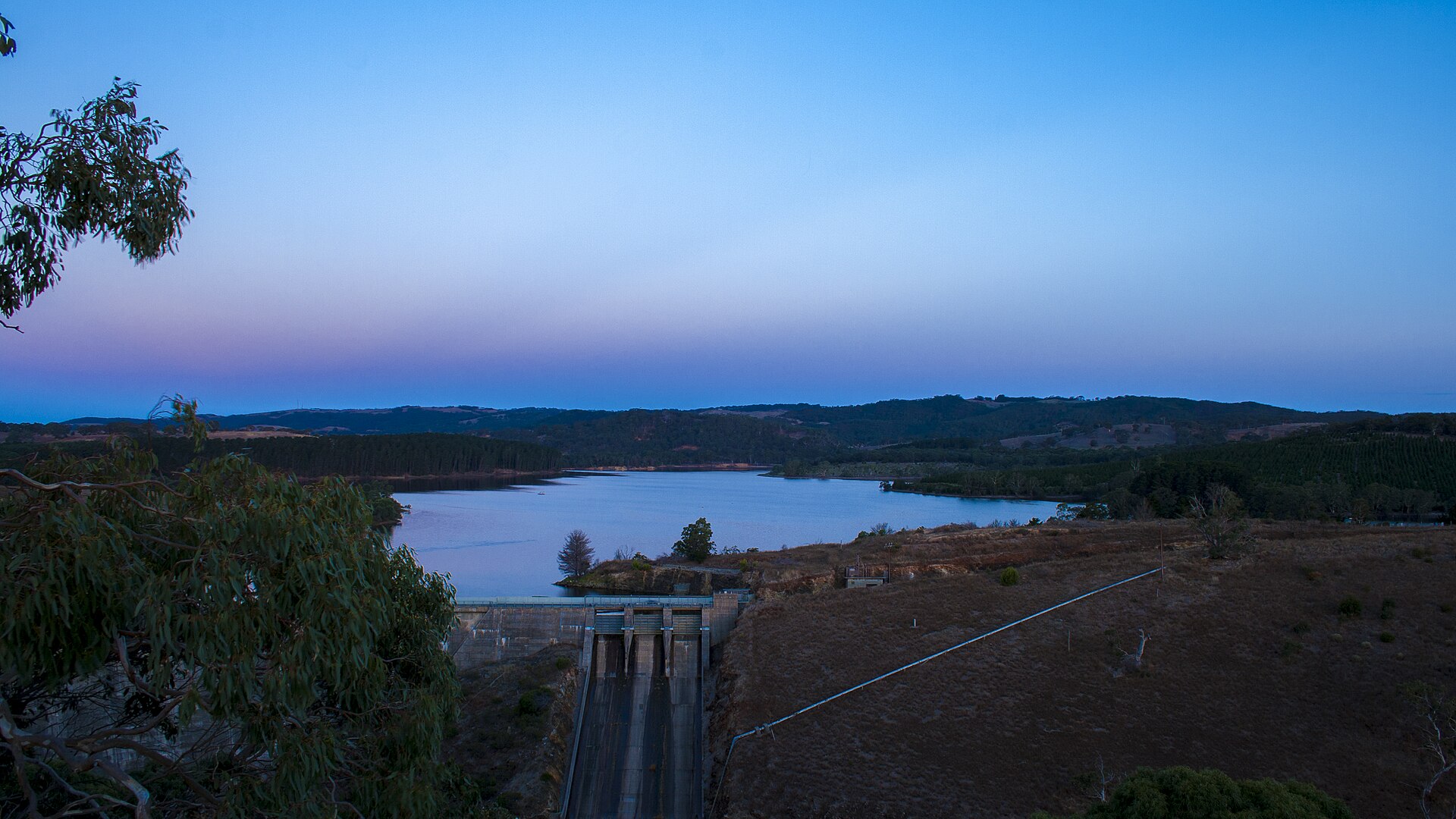
If you are coming from Adelaide, the natural route is down the coast with a detour over the hills: Myponga Reservoir Reserve and its dam-wall lookout make a good first leg before you drop into the valley. For the full back-roads version of this corner of the Fleurieu - including the waterfalls and the lookouts the signs don't point to - our Inman Valley hidden corners guide maps the lot.
There are flashier sights on the Fleurieu. There is nothing older. Most of what this peninsula sells you is the last hundred years - jetties, vines, stone pubs. Glacier Rock is selling you 280 million, and it asks nothing but the walk down from the car park.